
In this article
Zone 2 has become one of the most familiar phrases in fitness. The usual promise is appealing: work at a controlled pace, improve aerobic efficiency, and accumulate meaningful training without the fatigue of repeated hard intervals.
That is a useful idea. It is not a complete conditioning system.
The first complication is that Zone 2 does not have one universal definition. A five-zone heart-rate model, a three-zone physiological model, a wearable, a cycling test, and a coach may place the same label on different workloads. The second is that training at one sustainable intensity cannot fully develop every quality required for health, daily life, or sport.
The practical question is not whether Zone 2 works. It is what the term means for the individual, what adaptation the session is intended to create, and which other demands still need to be trained.
The label is less precise than it sounds
Exercise intensity can be organized in several ways. In a physiological three-zone model, the first ventilatory or lactate threshold separates lower-intensity work from the middle domain, and a second threshold separates that middle domain from severe-intensity exercise. Popular five-zone systems divide the spectrum differently. As a result, Zone 2 in one system may overlap with Zone 1 or the lower part of Zone 3 in another.
A 2025 expert viewpoint involving 14 sport scientists and professional coaches proposed that Zone 2 should sit immediately below the first lactate or ventilatory threshold. The authors also acknowledged that the expected adaptations are not necessarily unique to that narrow intensity and may occur with work performed somewhat above or below it.
A 2025 laboratory study of 50 cyclists showed why fixed formulas require caution. First ventilatory threshold and the intensity of maximal fat oxidation aligned relatively well, while fixed percentages of maximum heart rate and fixed blood-lactate markers varied considerably between individuals. The sample consisted of cyclists, so the findings do not establish a universal prescription for every active adult. They do show that a percentage displayed by a watch is an estimate, not a direct measurement of an individual metabolic boundary.
Sustainable work has a clear role
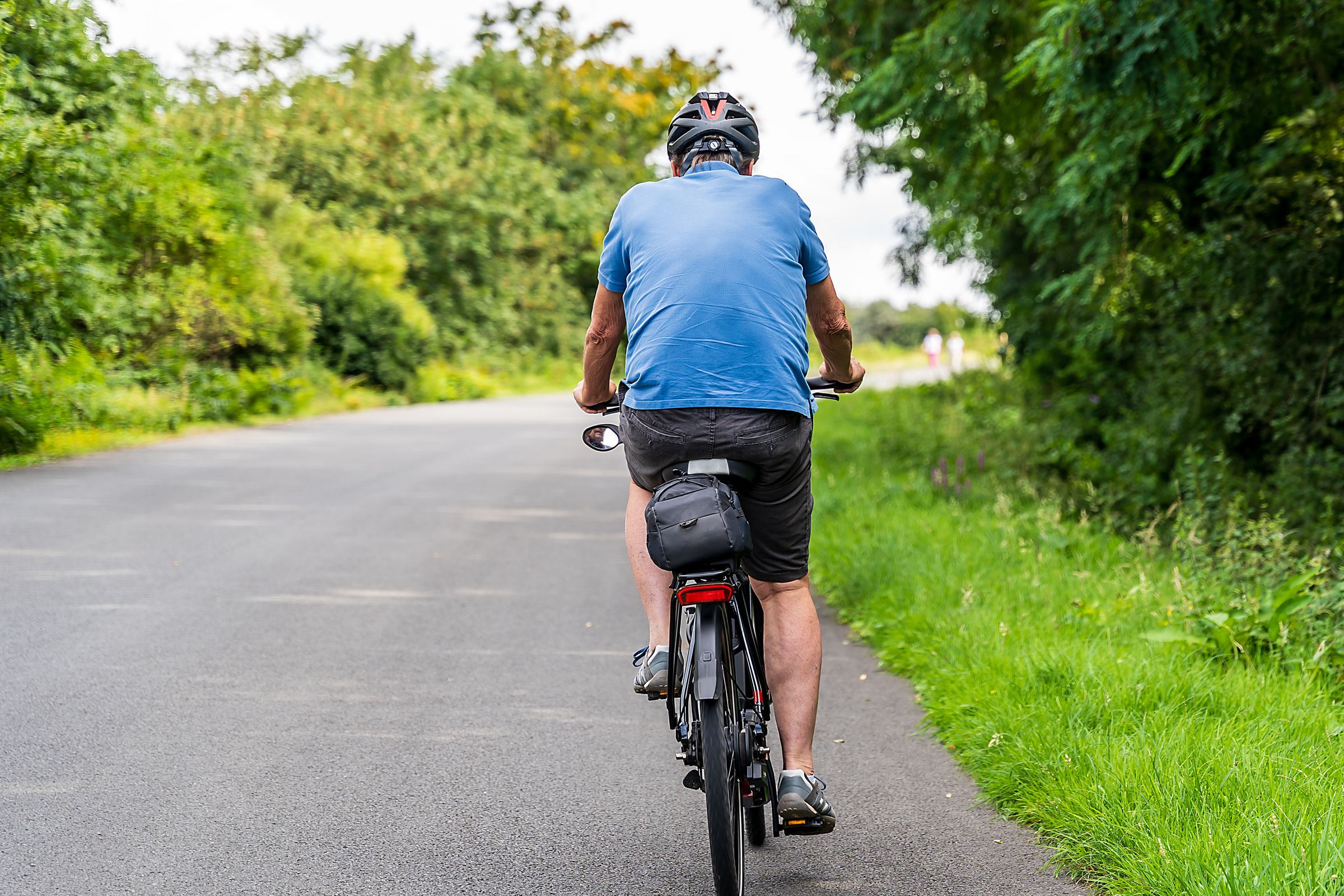
Lower-intensity aerobic training is valuable because it allows a person to accumulate time moving large muscle groups while keeping the session repeatable. Walking uphill, cycling, rowing, swimming, or using an elliptical can all work when the mode is comfortable enough to sustain and appropriate for the person.
The low cost of fatigue matters. A session that leaves someone able to recover, work, lift, practice tennis, and train again can add volume without competing with every other priority. For a person returning after inactivity, the first useful step may simply be developing enough tolerance to move continuously for 20 or 30 minutes. For a trained adult, a longer controlled session may support greater weekly aerobic volume.
This does not make more time automatically better. The session still has to fit the person’s schedule, orthopedic tolerance, current fitness, and total training load. A two-hour ride may be routine for an experienced cyclist and excessive for someone whose week already contains several tennis matches and strength sessions.
Harder work develops something different
Sustainable aerobic work and higher-intensity intervals are not rival philosophies. They expose the body to different levels of cardiovascular, respiratory, and muscular demand.
A 2024 umbrella review covered 24 systematic reviews, 429 primary studies, and 12,967 participants comparing high-intensity interval training with continuous exercise or non-exercise controls. It found that interval training generally improved cardiorespiratory fitness, but the methodological quality of the included reviews ranged from moderate to critically low. That evidence supports intervals as a useful option, not a claim that they are always superior or appropriate.
A 2024 pragmatic randomized trial compared 12 weeks of moderate- and high-intensity water-aerobic training in adults and older adults. Both groups improved several physical-fitness measures, while the higher-intensity program produced larger gains in some outcomes. The water-based setting and specific sample limit how broadly those results should be applied, but the trial reinforces a simple point: intensity changes the training stimulus.
The choice does not have to be all easy or all hard. A conditioning week can use controlled aerobic work to build volume and recovery capacity, then add a modest dose of harder work when the person is ready and the goal requires it.
A heart-rate zone is not an identity
The same heart rate can mean different things on different days. Heat, dehydration, caffeine, medication, altitude, accumulated fatigue, sleep, stress, and the exercise mode can all influence the relationship between heart rate and actual workload. Wrist sensors also have measurement limits, especially when movement, grip, or rapid intensity changes interfere with the signal.
Laboratory testing can identify ventilatory thresholds more directly, but it is not required for everyone. A practical estimate can combine heart rate with breathing, perceived effort, pace or power, and the talk test. The American College of Sports Medicine describes steady conversation as consistent with moderate effort and the ability to say only a few words as more consistent with vigorous work.
The goal is not to defend a number on the watch. It is to make the intended session recognizable. Sustainable work should feel sustainable. Hard intervals should be hard enough to create the intended demand, with recovery and technique preserved. When the data and the person’s experience conflict repeatedly, the prescription needs review.
Build the week around the person
Minimum Effective Complexity is useful here. Most active adults do not need a laboratory-derived chart with seven colors. They need a repeatable week that trains the capacities their life and sport require.
Count existing activity first. Tennis, padel, running, swimming, hiking, group classes, and long walks already contribute aerobic load. Record them before adding separate conditioning sessions.
Choose a tolerable mode. The best modality is one the person can perform consistently without creating avoidable joint irritation, technical breakdown, or scheduling friction.
Use easy work for volume. Controlled continuous sessions can build repeatable aerobic exposure. Start with a duration the person can recover from, then progress time or frequency gradually.
Add intensity for a reason. Intervals may be useful when the goal includes improving higher-end aerobic capacity, preparing for repeated sport efforts, or making efficient use of limited time. The dose should match readiness and the rest of the week.
Retest function, not just zones. Look for changes in pace or power at a similar effort, recovery between efforts, tolerance for longer activity, and performance in the tasks that matter. A zone label is not the outcome.
SCREEN / TRAIN / REFER
SCREEN means reviewing current activity, symptoms, medical history, medication, prior conditioning, recovery, and the actual demands of the person’s goals. A fitness coach can observe response and tolerance; the coach is not diagnosing cardiovascular or respiratory disease.
TRAIN means selecting an appropriate mode, beginning with a recoverable dose, and using enough variation in intensity to address the goal without turning every session into a test. Strength, power, balance, and mobility still require their own training signals.
REFER means pausing the fitness explanation when symptoms or risk require clinical assessment. Chest pain, unexplained fainting or dizziness, unusual breathlessness, palpitations, or a marked unexplained loss of exercise tolerance warrant evaluation by a qualified health professional. People with known cardiovascular, pulmonary, metabolic, or other significant conditions may need individualized medical guidance before materially increasing intensity.
Zone 2 can be a useful part of conditioning because it makes aerobic work repeatable. It becomes less useful when the label replaces observation, individualization, or the rest of the program.
Selected evidence and guidance
- What Is ‘Zone 2 Training’? Experts’ Viewpoint on Definition, Training Methods, and Expected AdaptationsMaunder et al., International Journal of Sports Physiology and Performance, 2025. Expert viewpoint and consensus.
- Zone 2 Intensity: A Critical Comparison of Individual Variability in Different Submaximal Exercise Intensity BoundariesMeixner et al., Translational Sports Medicine, 2025. Laboratory comparison in 50 cyclists.
- High-Intensity Interval Training and Cardiorespiratory Fitness in AdultsWang et al., Scandinavian Journal of Medicine & Science in Sports, 2024. Umbrella review of 24 systematic reviews.
- Effects of 12-Week Moderate-Intensity Versus High-Intensity Water-Aerobic TrainingFaíl et al., Health Science Reports, 2024. Pragmatic randomized controlled trial in adults and older adults.
- Is a Threshold-Based Model a Superior Method to the Relative Percent Concept for Establishing Individual Exercise Intensity?Wolpern et al., BMC Sports Science, Medicine and Rehabilitation, 2015. Randomized trial in 42 sedentary adults.
- Tips for Monitoring Aerobic Exercise IntensityAmerican College of Sports Medicine. Practical guidance on the talk test, heart rate, and perceived effort.