Performance + preservation
Train for current goals while protecting the capacity to keep going.
The AEON method
Longevity fitness brings performance and preservation into one individualized practice.
Longevity fitness
Longevity fitness does not promise a longer life or reduce a person to a score. It focuses on the physical capacities that help people participate fully in the lives they choose: strength, mobility, aerobic fitness, movement confidence, recovery, and consistency.
Technology can organize information, support assessment, and improve continuity. Human judgment remains central.
Biomechanics & Movement
Strength matters. Mobility matters. Conditioning matters.
But physical capability also depends on how those qualities work together when you move.
AEON uses biomechanics to help clients understand and improve how they produce force, absorb force, rotate, balance, accelerate, decelerate and coordinate movement.
The objective is not perfect posture or one ideal way to move. It is a larger movement vocabulary.
Training may include full-range strength, multidirectional movement, rotation, balance, coordination, elastic loading, acceleration and controlled deceleration. The exact mix depends on the person, their training history, their sport and what they want to remain capable of doing.
A runner, cyclist, strength athlete and tennis player all develop different physical adaptations. Those adaptations are useful, but repeated specialization can also leave other capacities undertrained.
AEON helps preserve and rebuild those capacities.
Strength gives you force. Biomechanics teaches you how to use it.
We look at movement as an interacting system rather than a collection of isolated muscles.
That includes strength and muscle, joints, tendons, fascia and connective tissue, proprioception, balance, coordination, cardiovascular capacity and the nervous system’s ability to organize movement.
Fascia is part of that system. It contributes to force transmission, elastic behavior, proprioception and load tolerance. AEON integrates connective-tissue capacity through progressive strength, multidirectional movement, elastic loading, rotation and appropriate sport-specific preparation rather than treating fascia as a separate or corrective treatment.
AEON observes movement patterns, training history, recurring limitations, balance, coordination and tolerance to load.
We train the capacities that fitness can legitimately change.
When persistent symptoms, significant limitations or another possible medical or clinical issue warrants assessment, we recommend evaluation by an appropriately qualified professional.
Understand the whole system. Prescribe only the complexity the client can actually use.
Biomechanics should make training more useful, not more complicated.
The goal is simple: move well enough, strongly enough and confidently enough to keep doing more of what matters to you.
Fascia and movement
Fascia is connective tissue that helps support the body and transmit force. Training this system is a core part of AEON’s approach, integrated with strength, mobility, conditioning and recovery.
In practice, this means progressively developing elastic movement, rotation, controlled stopping, balance and movement in different directions, matched to the person’s starting point.
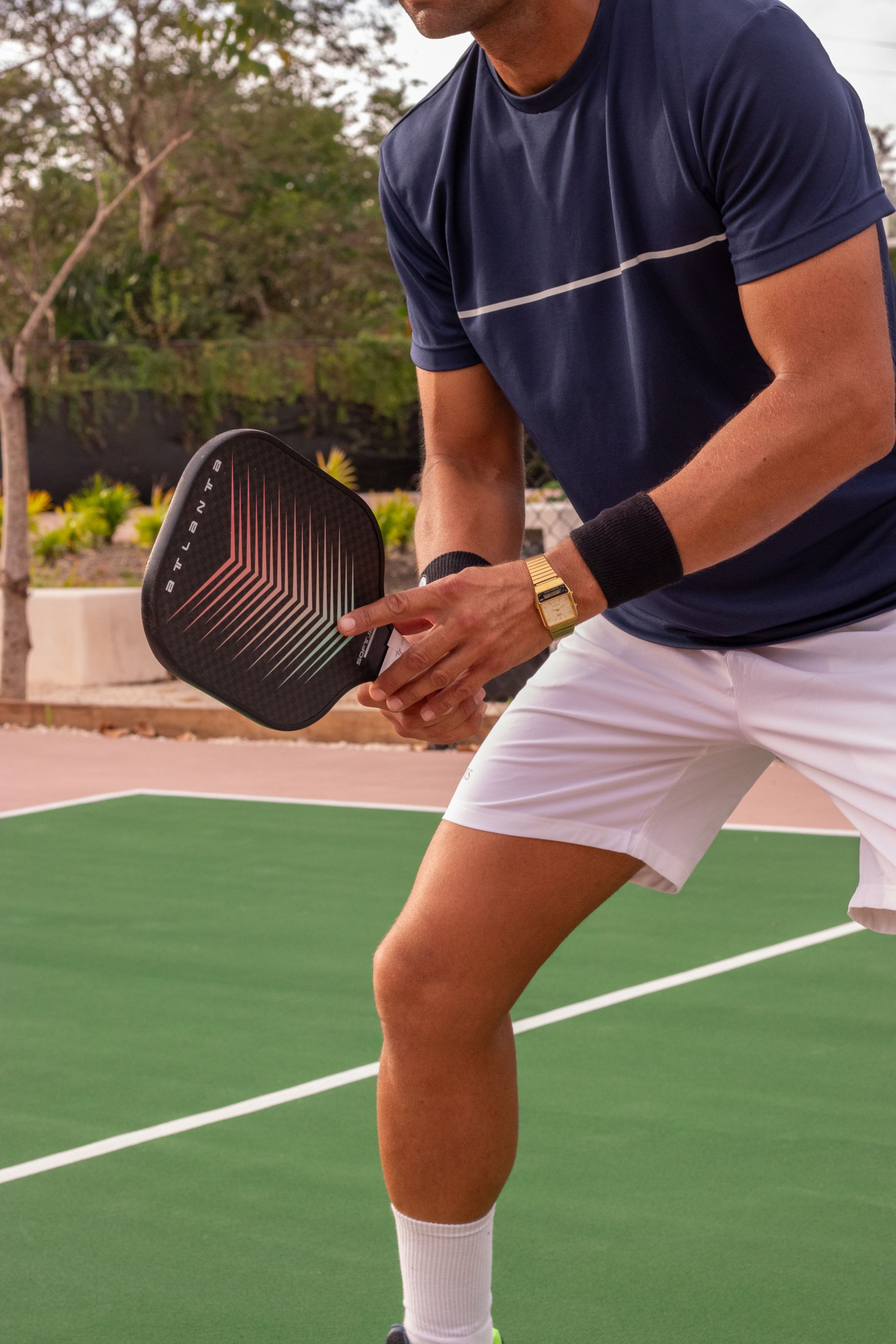
Tennis conditioning offers a useful model: accelerate, reach, rotate, decelerate and recover. AEON draws on these demands to prepare people for sport and everyday movement, whether or not they play tennis.
Elastic movement · Rotation · Deceleration · Dynamic range · Recovery
Operating principles
Train for current goals while protecting the capacity to keep going.
A coach remains accountable for the relationship, judgment, and final program.
Revisit movement quality, strength, conditioning and the activities that matter to you.
Use useful research with restraint, context, and practical application.
A plan must survive travel, deadlines, sport, and uneven weeks.
Build strength, mobility, conditioning, and recovery practices that compound.
Begin with clarity