In this article
The meaning of a successful training program becomes clearer when you ask someone what they want to keep doing.
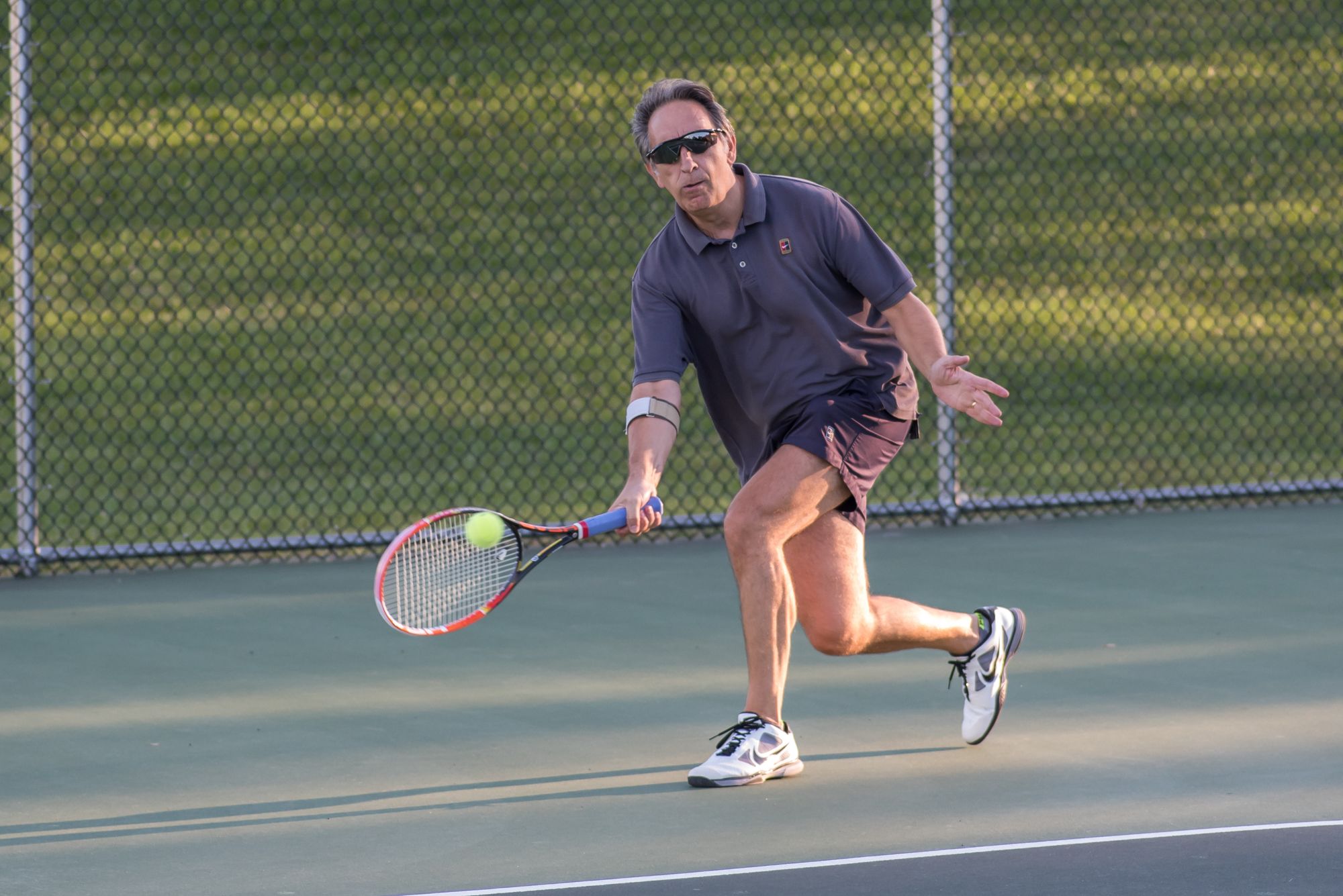
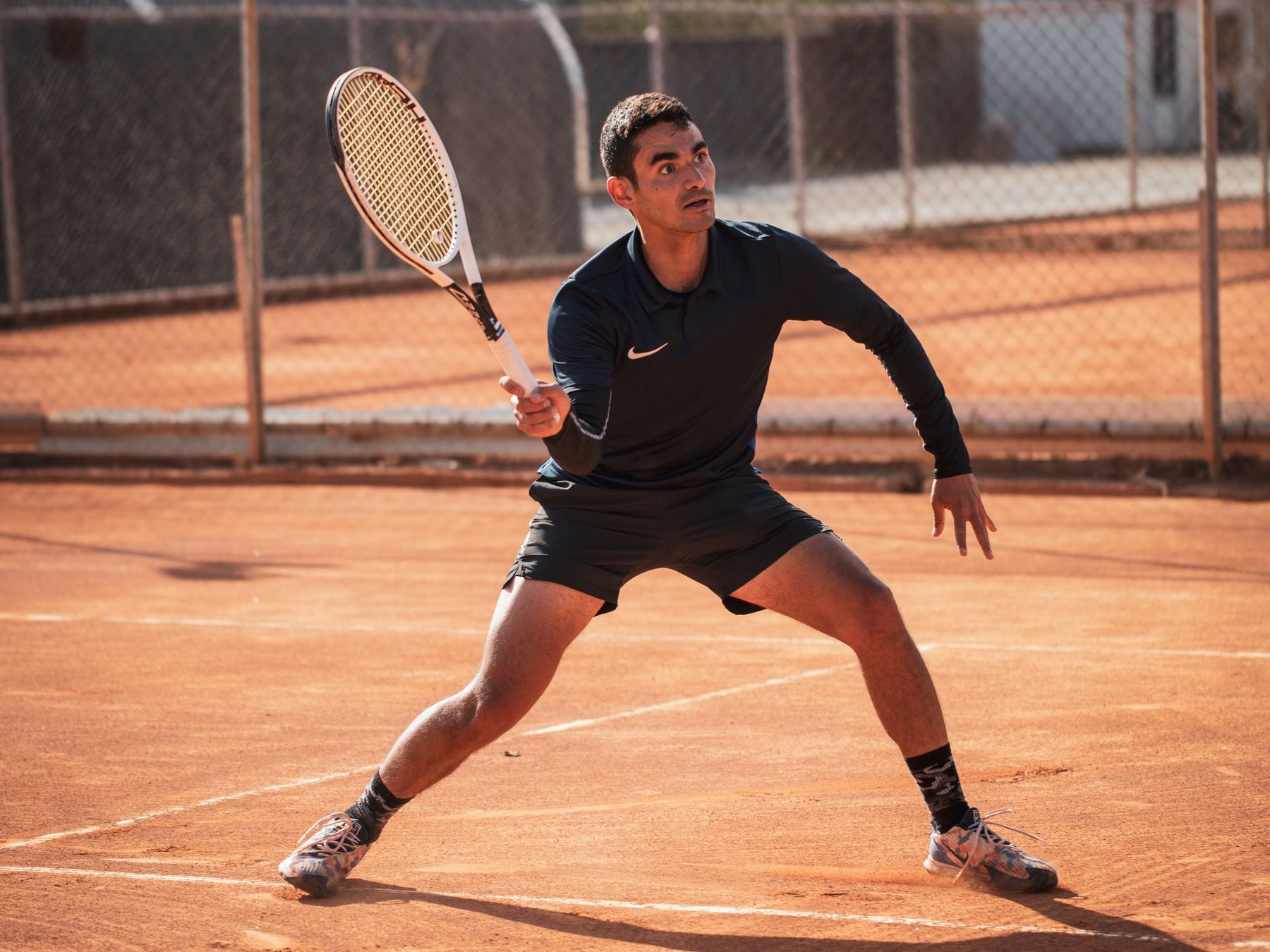
One person wants to play competitive tennis through their sixties. Another wants to travel without planning every day around fatigue. Someone else wants to return to regular exercise after years of demanding work, or feel more confident carrying, climbing, lifting, and moving through everyday life.
These goals give longevity fitness a practical purpose. They connect the work someone does today with the physical capabilities they want to develop and maintain.
For AEON, that connection is the starting point: develop the strength, movement skill, and physical capacity to keep doing what matters to you.
Give longevity a practical meaning
The wellness industry is increasingly describing longevity through strength, mobility, independence, and quality of life. The Global Wellness Institute’s 2026 Aging Well trends identify this shift toward functional capability, alongside growing attention to the environments in which people live and move. It is a useful observation about industry direction, although a trend forecast cannot establish the effectiveness of a training method.
A more established foundation comes from the World Health Organization. Its healthy-aging framework emphasizes the abilities people need to pursue activities they value, shaped by both personal capacity and their environment. Being free of disease is not a prerequisite for aging well.
This matters because longevity can otherwise become an abstract promise. A person may hear about extending healthspan without understanding what that means for their next training session.
Fitness professionals can make the conversation more concrete. What activities matter to this person? What do those activities require? Where is preparation adequate, and where could it improve?
Start with the person and the activity
Age provides context, but an effective training conversation also considers previous athletic experience, recent activity, health, injuries, confidence, recovery, and available time.
Two people of the same age may need very different starting points. An experienced tennis player returning after a long interruption has a different training problem from a consistent strength-training client who wants to begin playing.
The first person may remember a level of performance their current preparation no longer supports. The second may have useful strength while lacking experience with repeated acceleration, braking, and changes of direction.
Neither situation is adequately described by an age category or a general label such as “fit.”
At AEON, we would translate the activity into its physical demands, then use the person’s history and current performance to decide where training should begin.
Build capacities that work together
Regular physical activity has broad health benefits. WHO guidance recognizes benefits for physical and mental health, emphasizes that all activity counts, and includes muscle strengthening as an important component. That foundation creates room for many forms of exercise.
An individualized program then needs a more specific purpose.
Strength may support lifting and carrying. Conditioning may support sustained activity. Useful mobility allows access to positions required by a task. Balance, coordination, and movement skill help a person manage changing situations.
For someone playing tennis, those qualities must work together during a split step, a wide recovery, or a short acceleration followed by a controlled stop. For someone preparing for a walking holiday, the priorities may include repeated days on their feet, hills, stairs, and carrying luggage.
This is the AEON Systems Lens in practice. Muscles, tendons, connective tissue, joints, the nervous system, conditioning, and recovery belong in the same training conversation. Which elements deserve attention depends on the person and the task.
Recognizing these relationships should make programming more purposeful. It should not require every session to contain every possible exercise category.
Develop movement skill alongside strength
AEON’s statement, “We teach you biomechanics,” describes an educational responsibility within training.
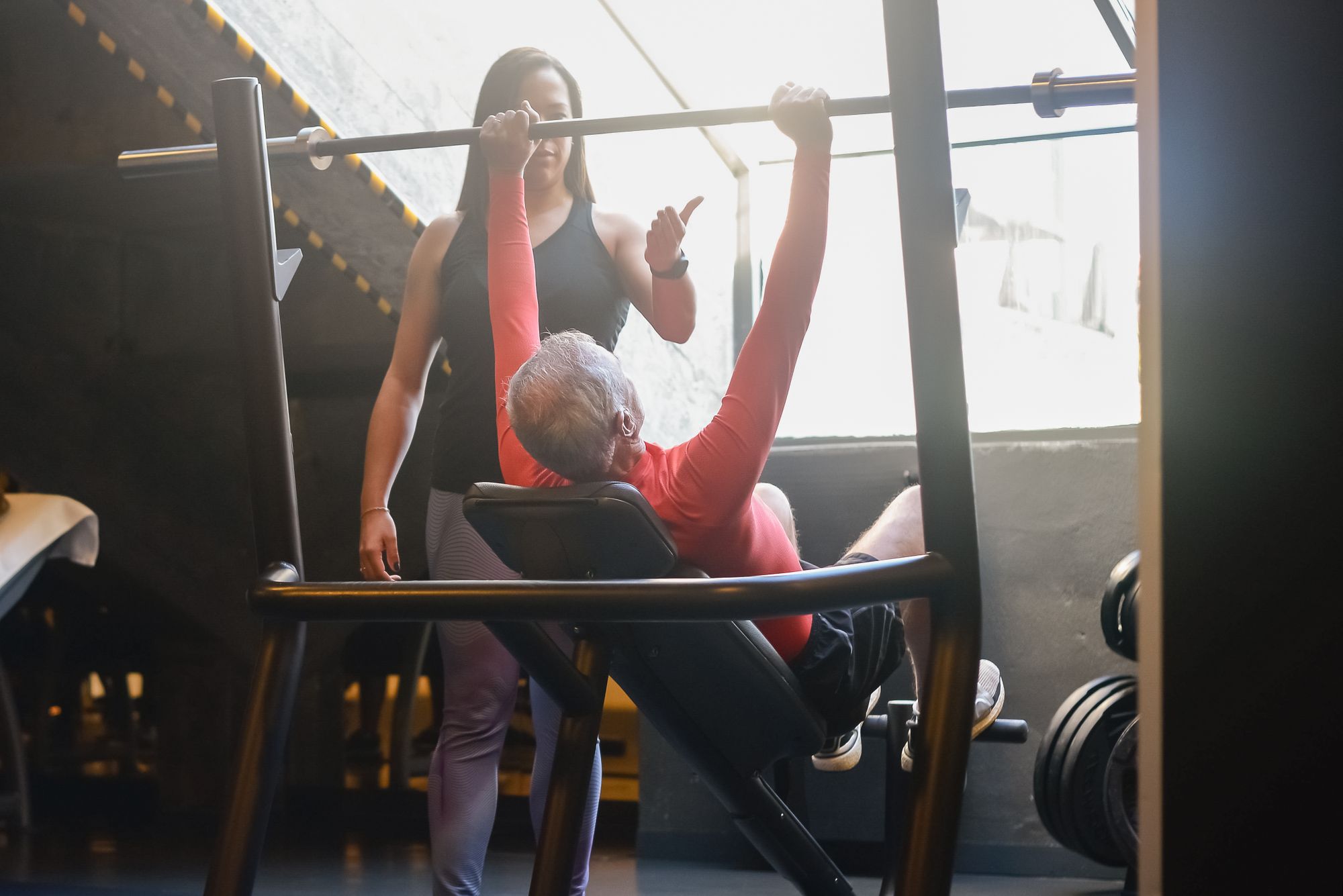
Clients should gradually understand how they produce force, manage balance, use available range of motion, and control movement. Coaching should help them make useful adjustments and recognize how an exercise relates to an activity they care about.
A stronger lower body can provide useful capacity for court movement. Expressing that capacity during a changing sporting situation also requires practice.
The same principle applies outside sport. Getting into a floor position, lifting an awkward object, or moving through uneven terrain involves choices about positioning and coordination.
The objective is to develop workable movement options. Ordinary differences between people should not automatically become defects to correct.
Measure progress in context
Assessment becomes more useful when its purpose is clear.
A measure might help establish a starting point, identify a training priority, or show whether a program is producing the intended change. The assessment should be appropriate to the individual and repeatable enough to make comparisons meaningful.
For a tennis player, a review might combine a relevant strength or conditioning measure with observations of a controlled movement task and the person’s experience during play. For another client, progress may be reflected in greater confidence on stairs or improved tolerance for a familiar walking route.
No single result should carry the entire story. We would interpret performance alongside symptoms, fatigue, consistency, and the circumstances in which the assessment occurred.
A person’s capabilities also deserve respect regardless of their test results. Assessment should support decisions without turning physical function into a competition over who is aging best.
Make the training sustainable
A program needs to fit the circumstances in which it will be followed.
Work demands, travel, sleep, equipment access, preferences, and social commitments all belong in the planning conversation. AEON’s principle of Minimum Effective Complexity asks how much structure the person can realistically use.
For some clients, that means a straightforward strength program alongside regular walking and a sport they enjoy. Others need more detailed preparation for a specific activity.
This principle also informs gym consulting. A home gym should make the owner’s intended training practical. A hotel or workplace fitness space should accommodate its expected users, available supervision, and operating conditions.
Equipment selection becomes more useful when it follows those decisions.
Recognize the boundaries of training
AEON applies SCREEN / TRAIN / REFER to keep the work focused and within professional scope.
SCREEN: Understand the person’s goals, relevant history, current activity, and response to movement.
TRAIN: Develop appropriate physical capacities through a program that can be adjusted as the person progresses.
REFER: Involve an appropriately qualified professional when symptoms, medical questions, or functional changes exceed fitness scope.
Training belongs within a broader picture of health. It can support meaningful physical progress without promising to reverse aging or resolve every problem someone experiences.
Longevity fitness earns its value through the capabilities it helps people develop and use. Those capabilities should serve both the life a person has today and the activities they hope to continue in the years ahead.
Selected references